The choice between garden soil vs topsoil can make or break your planting project’s success. Like many gardeners, I’ve stood in garden center aisles staring at bags and wondering which one to pick.
These soil types might look alike, but they serve different purposes. Nature’s decomposed leaves, grasses, and tree bark create the earth’s top layer we call topsoil – perfect for landscaping and filling needs. Garden soil takes this foundation and adds compost and organic matter to boost plant growth. The best garden soil mix follows a specific recipe: 40 percent silt, 40 percent sand, and 20 percent clay to create the perfect loam.
This piece dives into what makes each soil special. You’ll learn topsoil’s uses and see why garden soil isn’t just another name for topsoil. Armed with this knowledge, you’ll pick the right soil for your garden – whether you need to fill containers, build raised beds, or give your landscape a fresh look.
Understanding the Basics: What Is Topsoil vs Garden Soil?
A look at soil types shows the simple differences in composition that determine their use in specific gardening applications.
Topsoil Composition: Sand, Silt, Clay, and Organic Matter
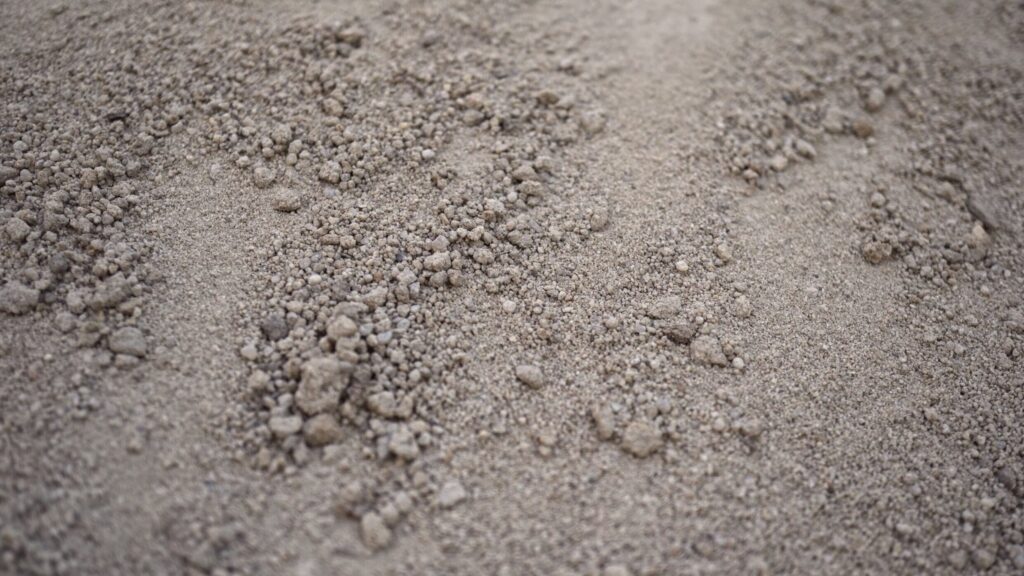
The uppermost layer of earth forms topsoil, which typically extends 2-8 inches deep. This vital layer contains three mineral particles—sand, silt, and clay—plus organic matter. Sand particles measure largest (0.05-2 mm), while silt falls between (0.002-0.05 mm), and clay particles are microscopic (<0.002 mm). The perfect soil composition for gardens needs about 40% silt, 40% sand, and 20% clay.
Organic matter content makes topsoil valuable—usually 1-6% by weight. Decomposed plant materials like leaves, roots, bark and animal matter create this organic component. The landscape industry screens topsoil to remove debris and create an even texture.
Garden Soil Composition: Enriched with Compost and Fertilizers
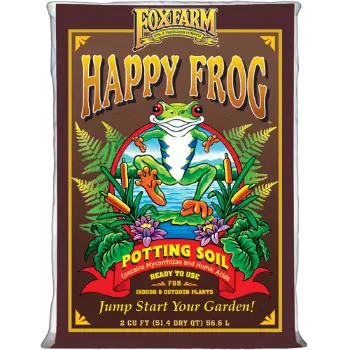
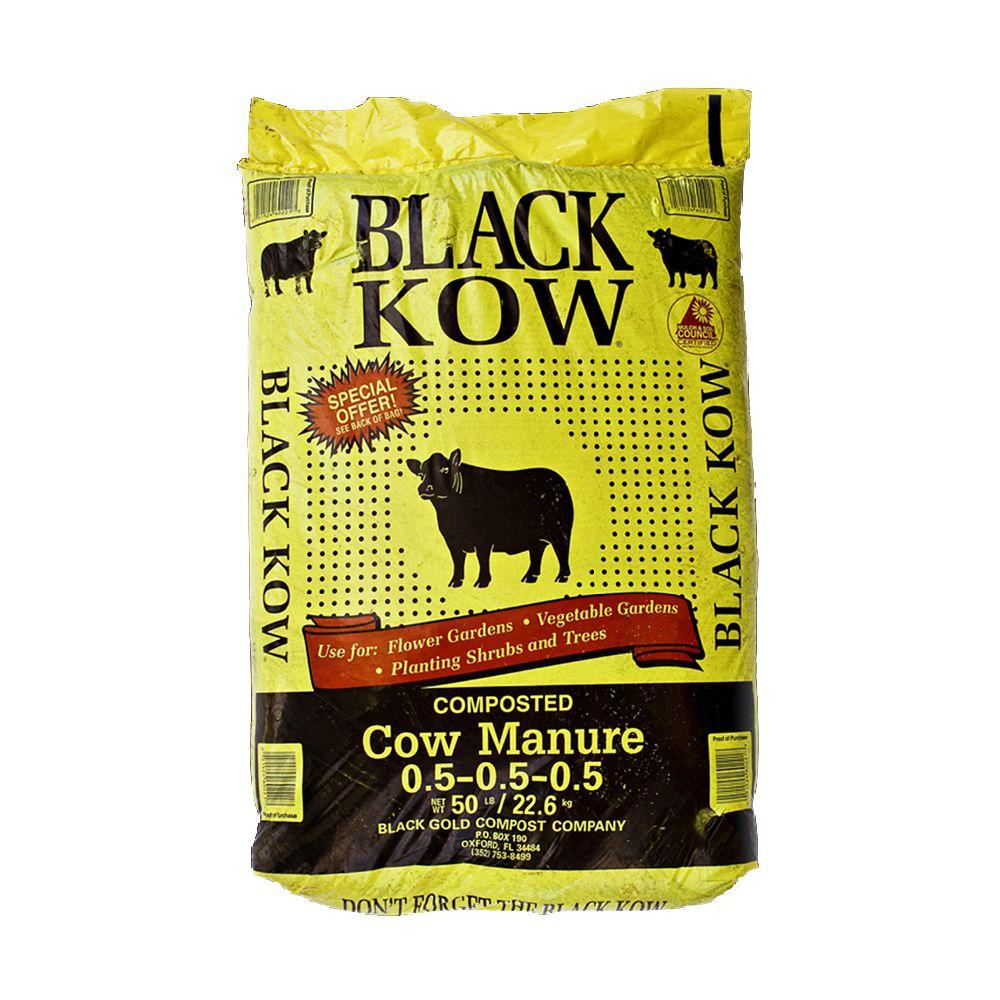
Garden soil takes topsoil to the next level through careful modification. Manufacturers improve regular topsoil by mixing in large amounts of organic materials such as compost, peat moss, or manure. Many garden soil mixes also contain fertilizers that boost their nutrient content.
These additions serve vital purposes: they improve soil structure, enhance water management, and provide nutrients that plants can easily access. Garden soil’s engineered composition creates an ideal growing environment with balanced fertility, unlike topsoil’s natural makeup.
Is Garden Soil the Same as Topsoil?
Garden soil and topsoil share some traits but are different products. Their preparation and purpose set them apart. Screening may alter topsoil, but it stays mostly natural. Garden soil contains carefully selected ingredients that support healthy plant growth.
You can think of topsoil as a raw material and garden soil as the finished product. Garden soil’s organic enrichment provides better nutrients, while topsoil works well for general purposes. This key difference explains their best uses—garden soil excels in planting areas, while topsoil suits landscaping and filling projects better.
Key Differences Between Topsoil and Garden Soil
Garden soil and topsoil have key differences that impact their performance in various gardening applications.
Nutrient Content: Natural vs Enriched
The nutrient profiles show clear contrasts between these soils. Topsoil has natural nutrients that vary based on its source. Garden soil contains added compost, fertilizers, and organic amendments. Plants can access nutrients right away in garden soil. This makes garden soil work better for vegetables and flowers that need rich nourishment.
Drainage and Moisture Retention Capabilities
Garden soil retains moisture better than most topsoil varieties. Added organic matter enhances the soil’s structure and creates this advantage. Topsoil’s drainage changes based on what it contains – sandy types drain fast while clay-heavy ones hold water longer. The best garden soil strikes a balance between drainage and moisture retention.
Texture and Particle Size Comparison
Topsoil’s texture ranges widely and often includes unscreened elements like rocks and wood chips. Garden soil goes through screening that creates an even particle size and texture. This process results in a crumbly, workable mix without debris that’s perfect for direct planting.
Weight and Ease of Handling
A cubic yard of topsoil weighs between 1,000-2,700 pounds. Water content affects its weight substantially. Garden soil weighs less than raw topsoil, which makes it a better choice for container gardening.
Best Use Cases for Each Soil Type
The right soil type is vital to boost garden productivity. Different soils serve unique purposes based on their properties.
What Is Top Soil Used For in Landscaping and Lawns?
Topsoil stands out as a foundation material across landscapes. We used it to fill holes, level uneven lawns, and create new planting areas where existing soil falls short. A thin layer of topsoil helps seeds germinate in patchy lawns before reseeding. The material works great as a base layer for bigger projects that need lots of volume, because it usually costs less than garden soil.
When to Use Garden Soil in Raised Beds and Containers
Garden soil really shines in planting spots that need quick nutrients. My experience shows it works best in raised beds, containers, vegetable plots, and flower gardens. Plants thrive with direct access to nutrients thanks to its enriched makeup in the top layer of growing spaces. Garden soil also helps bring back nutrients in 5-year old gardens.
Layering Strategy: Topsoil First, Garden Soil on Top
Both soil types work well together in layers. Start with topsoil as the base and add garden soil on top. Your vegetables will grow best with an 8-inch layer of garden soil above the topsoil foundation. This setup gives you great drainage and all the nutrients needed.
Can You Mix Topsoil and Garden Soil?
You bet! A mix of both soils often creates the perfect growing environment. The key is to blend the soils really well instead of just stacking them. This approach saves money on big projects while keeping plants healthy.
Cost, Availability, and Quality Considerations
Smart financial decisions about soil depend on knowing how garden soil and topsoil compare in cost, quality, and availability.
Price Range: Bulk vs Bagged Soil
Bulk soil costs between $20-$50 per cubic yard, while bagged soil runs about $67.50 for the same amount. This is a big deal as it means that projects needing more than 5 cubic yards will save money with bulk purchases. A single cubic foot bag at home improvement stores runs about $1.59-$2.69. The savings add up quickly for bigger projects – you could save hundreds on a 5-cubic-yard project by going with bulk orders.
Screened vs Unscreened Topsoil
Unscreened topsoil comes at a lower price than screened options. In spite of that, screened topsoil’s consistent texture and lack of debris make it worth the extra cost for planting areas. Prices go up with finer screening, and ultra-fine screening commands premium rates.
Organic vs Inorganic Garden Soil Options
High-quality organic soil costs more upfront but eliminates the need for extra fertilizers. Organic options naturally provide key nutrients like nitrogen, phosphorus, and potassium.
How to Choose Based on Project Size and Budget
Bulk purchases make sense for projects needing 10 cubic yards or more, even with delivery fees of $20-$60. Smaller projects under 1 cubic yard work better with bagged soil despite higher unit costs. Smart buyers look for seasonal deals – late fall or winter purchases often come with 20% discounts.
Comparison Table
| Characteristic | Topsoil | Garden Soil |
|---|---|---|
| Simple Composition | Natural upper layer with sand, silt, clay, and 1-6% organic matter | Modified topsoil enriched with compost, peat moss, and fertilizers |
| Nutrient Content | Variable natural nutrients based on source | Carefully prepared with readily available nutrients |
| Weight | 1,000-2,700 pounds per cubic yard | Lighter than topsoil |
| Main Uses | Filling holes, leveling lawns, landscaping, base layer | Raised beds, containers, vegetable plots, flower gardens |
| Drainage Properties | Varies by composition (sandy drains quickly, clay retains water) | Superior moisture retention due to organic matter |
| Texture | Variable, may contain rocks and wood chips | Screened for uniform particle size, crumbly consistency |
| Cost (Bulk) | $20-$50 per cubic yard | Generally more expensive than topsoil |
| Processing | May be screened but largely unchanged | Carefully developed and improved |
| Ideal Composition | 40% silt, 40% sand, 20% clay | Not specifically mentioned |
Conclusion
Your specific planting needs should determine whether to use garden soil or topsoil. My years of gardening have taught me that each soil type has its own purpose that can determine your garden’s success. Topsoil excels as a foundation material for landscaping projects, lawn repairs, and filling spaces. Garden soil proves more valuable when plants need immediate nutrients in raised beds, containers, and dedicated growing areas.
The price gap between these options matters a lot for bigger projects. Bulk purchases of topsoil can save you money when you need large volumes. The enriched composition of garden soil makes its higher cost worth it in spaces where plants will directly root and grow.
Many successful gardeners, including me, have found that mixing both soil types creates an ideal growing environment. To cite an instance, see how using topsoil as a base layer with garden soil on top provides both structural support and nutrient availability. On top of that, it helps manage costs while giving plants what they need to thrive.
Your project’s specific requirements should guide your final choice. Do you just need to fill space and level ground? Topsoil fits your needs. Are you looking for nutrient-rich media to grow vegetables or flowers? Garden soil would serve you better. A thoughtful blend of both might give you the perfect balance of structure, drainage, and nutrition your plants need.
Understanding these soil differences saves money and affects your gardening results directly. The right soil choice now guides you toward healthier plants, less frustration, and better gardening success in future seasons.
FAQs
Q1. What is the main difference between topsoil and garden soil? Topsoil is the natural upper layer of soil containing sand, silt, clay, and organic matter, while garden soil is enriched topsoil with added compost, fertilizers, and organic amendments specifically formulated for plant growth.
Q2. When should I use topsoil instead of garden soil? Use topsoil for landscaping projects, filling holes, leveling uneven lawns, and as a base layer in large projects. It’s ideal for areas where you’re not directly planting but need to improve the soil structure or level the ground.
Q3. Is garden soil better for container gardening? Yes, garden soil is generally better for container gardening. It’s lighter, has better moisture retention, and provides readily available nutrients, making it ideal for raised beds, pots, and other containers where plants need immediate access to nutrients.
Q4. Can I mix topsoil and garden soil together? Absolutely! Mixing topsoil and garden soil can create an ideal growing medium. This combination provides a good balance of structure and nutrients, and can be a cost-effective solution for larger gardening projects.
Q5. How do the costs of topsoil and garden soil compare? Topsoil is generally less expensive, especially when purchased in bulk. Garden soil, being enriched and processed, typically costs more. However, the choice between the two should depend on your specific gardening needs rather than just price.