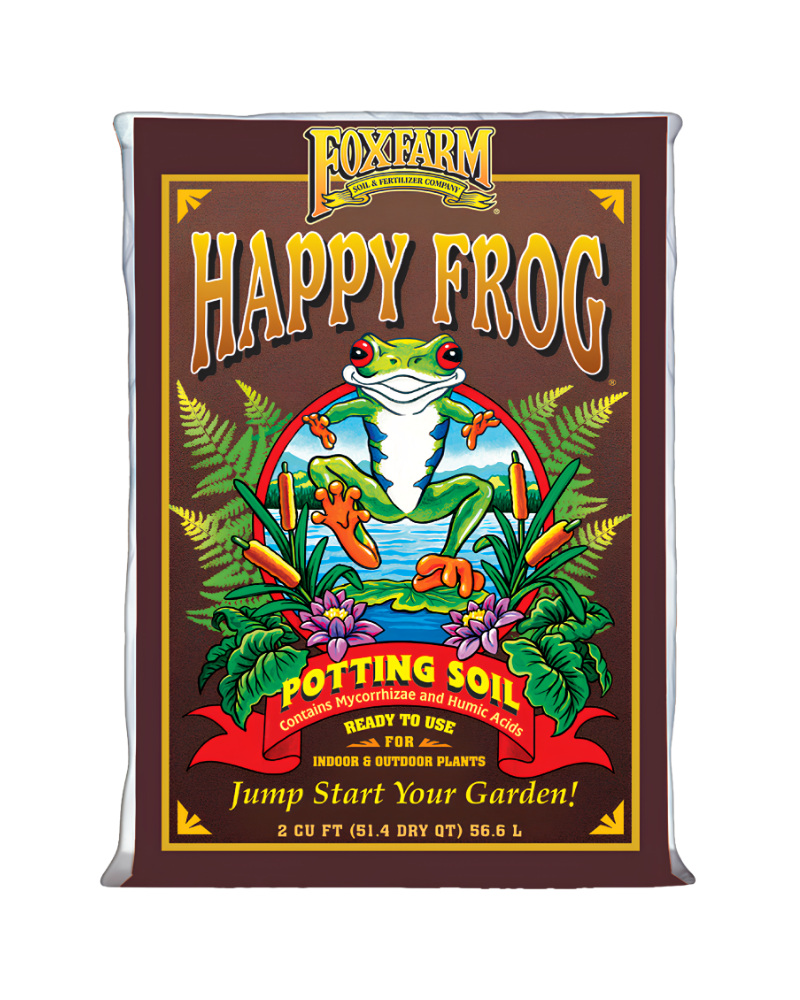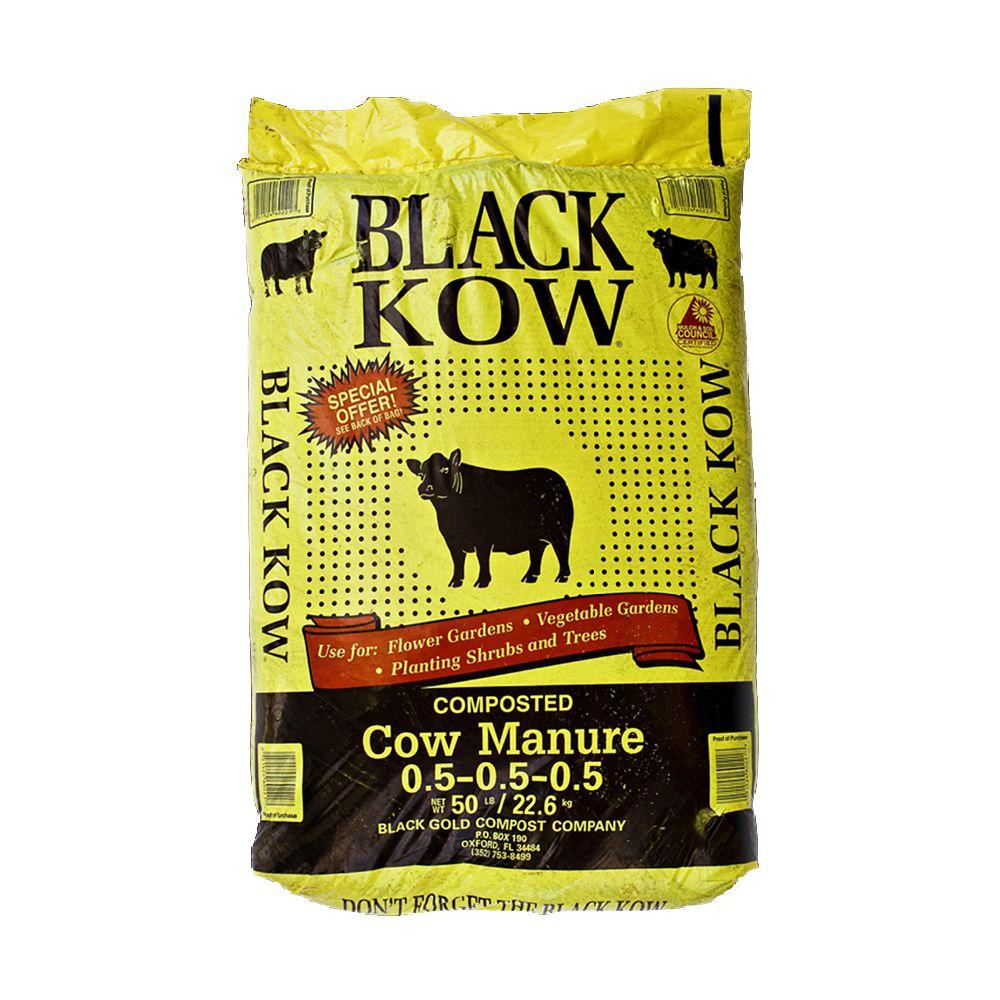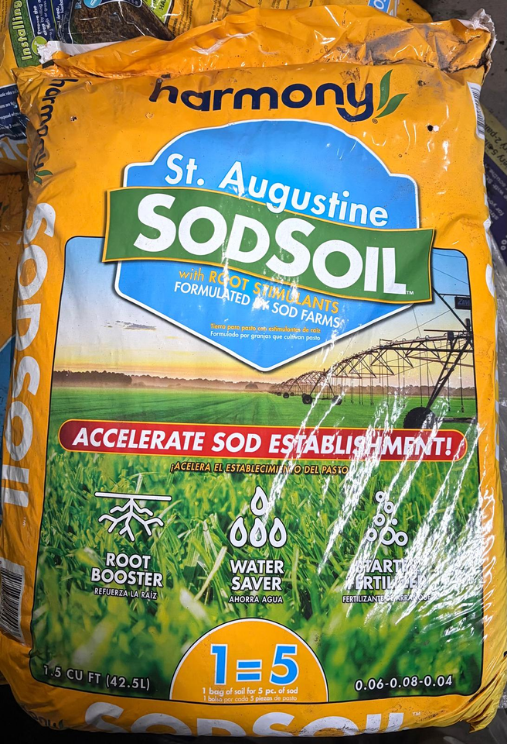
Bags of soil may look similar when they are stacked at a nursery, but the material inside can be designed for completely different jobs. Topsoil can help level or build an in-ground area. Potting mix is made to balance moisture and air inside containers. Compost is an amendment, while fill dirt is mainly used to build grade or fill space. Choosing by price or bag color alone can lead to poor drainage, wasted material, and struggling plants.
Florida projects add another layer to the decision. Native soil is often sandy, and individual sites can also have compaction, construction fill, high pH, drainage problems, or unusual nutrient levels. The best product is the one that fits the project and the conditions already present.
Start with the Job, Not the Bag
Write down what you are trying to accomplish. Are you filling a low area, refreshing a container, repairing turf, creating a raised bed, or improving an existing planting area? Each goal needs a different balance of structure, drainage, nutrients, and organic matter.
Meyer’s bagged soil selection includes products for several uses, including topsoil, potting soil, sod soil, fill dirt, and enriched planting mixes. Read the product label and confirm the intended use before purchasing. A product that works well under sod may be too dense for a patio container, while a lightweight potting medium is not an economical way to fill a deep grade change.
Know the Main Types of Bagged Material
Topsoil is generally used for in-ground landscape work. It can help fill shallow depressions, establish a new planting area, or add usable soil where the existing surface is poor. Quality and composition can vary, so screened material with a consistent texture is easier to spread. Meyer’s Topsoil Bag is positioned for raised beds, new garden plots, and improvement of existing soil.
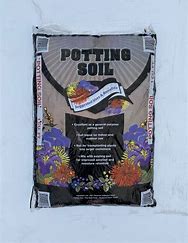
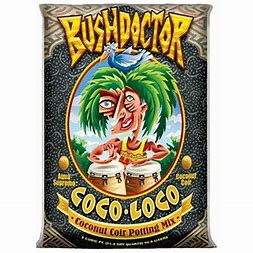
Potting mix is formulated for containers. It should hold useful moisture while leaving air space around roots and allowing excess water to drain. Garden soil or topsoil can become heavy and compacted in a pot, so use a medium labeled for container growing. Make sure every container has working drainage holes.
Compost and manure-based products add organic matter and nutrients, but more is not always better. They are usually blended with existing soil or another medium rather than used as the only material. Repeated applications without testing can create nutrient imbalances. Select an amendment because the soil needs it, not because it is assumed to be universally beneficial.
Fill dirt is used to build grade, fill holes, or create volume beneath a finished layer. It is not a substitute for a quality root-zone medium. Sod soil is selected for turf establishment or repair and should be matched to the lawn project. Specialty mixes may be designed for acid-loving plants, vegetables, seedlings, or other specific uses.
Match Bags of Soil to Common Projects
For containers, choose potting mix or another product clearly intended for pots. The medium should be loose and well drained. Do not place a layer of ordinary yard soil in the bottom, since it can reduce the consistency of drainage throughout the container.
For raised beds, determine whether the bed needs a complete fill or only a top-up. A balanced raised-bed or garden mix is usually more appropriate than one ingredient alone. Very deep decorative beds may be designed with a stable base layer and a suitable planting layer, but edible gardens should be filled with material intended for that purpose.
For lawn repair, first correct the cause of the low or bare area. Irrigation failure, shade, insects, disease, traffic, or poor drainage will not disappear under a new layer of soil. Use a turf-appropriate material and avoid burying healthy grass beneath a heavy application.
For trees and shrubs, planting technique and drainage matter more than filling a hole with rich material. Avoid creating a small pocket that holds water differently from the surrounding ground. Set the root ball at the correct height, use the site soil appropriately, and follow professional guidance for any amendments.
How to Calculate the Number of Bags
Check the volume printed on the bag. Weight alone does not tell you how much area the product will cover because materials have different densities and moisture levels. Measure the project in feet and calculate:
Square feet = length multiplied by width.
Cubic feet = square feet multiplied by depth in feet.
Bags required = total cubic feet divided by the cubic feet in one bag.
To convert depth from inches to feet, divide by 12. For example, a 4-foot by 8-foot bed filled 6 inches deep needs 16 cubic feet of material: 4 × 8 × 0.5. If the selected product contains 1.5 cubic feet per bag, the calculation gives 10.7 bags, so round up to 11. A small additional allowance can cover settling and measurement variation.
Irregular spaces can be divided into rectangles and calculated separately. Do not estimate depth by eye across a large area. Even one extra inch can significantly increase the total volume and cost.
Work with Florida Soil, Not Against It
Many Florida landscapes have sandy soil that drains quickly and holds limited organic matter. Other properties have compacted layers left by construction or low areas that remain wet. Before adding bags of soil across an entire yard, investigate the existing condition. A soil test can identify pH and nutrient needs, while a drainage assessment can reveal whether water movement is the real problem.
Blend amendments into a broader area when appropriate instead of creating abrupt layers. Sharp changes in texture can affect water movement and root growth. Do not automatically add manure-based compost every season, because nutrients such as phosphorus can accumulate when the soil does not need more.
Meyer’s existing guide to garden soil versus topsoil provides a useful comparison when the choice is unclear. For larger or more complex work, the installation services team can help connect material selection with grading, planting, drainage, and the finished landscape.
Avoid These Common Buying Mistakes
Do not use topsoil in containers, purchase by bag weight instead of volume, or assume one mix suits every plant. Avoid ordering before measuring and do not cover a drainage problem with new soil. Check whether the project area is accessible and where the bags will be unloaded. Soil becomes far more labor intensive when it must be carried through narrow gates or across finished surfaces.
Store bags on a stable surface and protect them according to label directions. Use opened material promptly, especially enriched or organic mixes. Wear appropriate gloves, avoid breathing dust, and wash hands after handling landscape materials.
Get the Right Soil and Quantity from Meyer’s
Bring project dimensions, planned depth, plant type, site photos, and any known drainage or soil-test information. Meyer’s can help compare bags of soil, calculate a practical quantity, and arrange delivery when the order is too large for easy pickup. If soil is only one part of a bigger landscape change, book a free design consultation to plan the materials, plants, and installation together.